News
Can a Digital Experience Ever Compare to the Real Thing?
Many of the things we as humans used to experience in real life now have a digital equivalent that's cheaper, more accessible, and simpler.

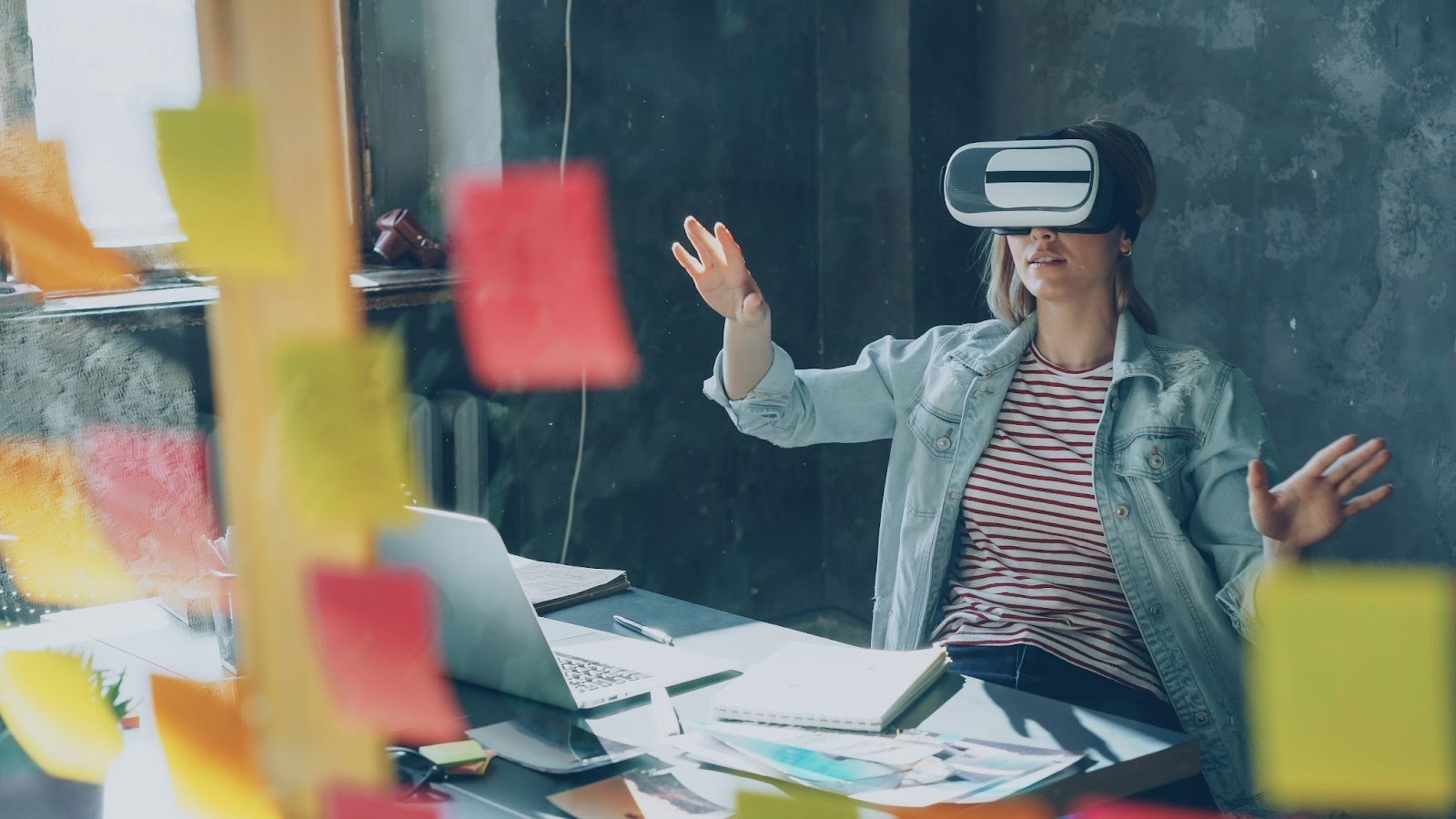
Many of the things we as humans used to experience in real life now have a digital equivalent that's cheaper, more accessible, and simpler. But can a digital experience really compare to the “real” thing?
Is Digital Always Better?
We tend to almost unconditionally see progress as a good thing, and it's not for no reason. Technological progress has lifted millions out of poverty, given us easier ways to pay online, and increased accessibility to information – nothing less than a revolution and reconstruction of the world as we know it.
But as we embrace the blockchain and other tech with open arms, we don't always stop to ask ourselves if progress really is what we want – or, rather, if we want it in all aspects of our lives.
Digital solutions are often cheaper, more widely available, and give users more freedom to choose – all objectively good things.
Instead of driving hours to the nearest physical casino, all that’s left to do is navigate eligibility rules for US players and choose the best bonus out of hundreds. On top of that, the assortment of games is bigger, and registration takes merely seconds.
Rather than walking the streets of a new city to find the right restaurant, we can find a restaurant with hundreds of reviews through a single search.
Instead of stopping to ask for directions at every turn, we instantly get turn-by-turn directions along with a time estimate for getting to where we want to go.
It’s hard to argue with that level of convenience and the economic benefits many of these solutions present. But at the end of the day, are we getting the better end of the bargain by choosing the digital?
What a real-life experience provides is something that matters, but something that is hard to put our fingers on. We can't necessarily prove why it's better, but we can often feel when we're missing it. And a society that lacks it runs into problems and rising mental health issues, as a general feeling of uneasiness and disconnect propagates through society.
The bottom line is this: the digital experience is always reductive compared to the more interactive real-life version, and whether that's a good or bad thing is for us to determine. We only have a limited amount of time and attention, after all, and some things are just not worth the full-spectrum experience we could make it.
Separating Connection, Entertainment, and Utility
A useful way of looking at the digital is asking yourself if something in your life would benefit from being more efficient and seamless or not.
Relationships, on the other hand, are a complex part of life that doesn't benefit from being simplified and commoditized. Simplifying the social experience also reduces the connection we feel to each other, and science shows that digital contact can't replace face-to-face interactions.
The question we need to really ask ourselves is this: where do we want scarcity, and where do we want to simplify, and in which areas does it also lead to a poorer experience? It might be worth separating your life experiences by whether you do them out of utility or because they're something you genuinely want to engage with.
Finding a Middle Ground
Different people have different experiences, priorities, and world views, and this is also going to reflect in where we want to engage and where we want to reduce friction as much as possible.
And some technology can make an experience more accessible, without necessarily making it any less authentic. One middle ground solution is VR reality, providing the benefits of reducing friction and location concerns while still offering a rich experience.
We've got an exciting future in front of us, and people are increasingly given more and more options as to how they want to spend their time. If we use this power wisely, we can optimize our lives without missing out on what matters.