The GENIUS Act: 2026 and the Legalization of the Digital Dollar
The GENIUS Act (Guidance for Electronic Networks and Interconnected Usable Systems) is a landmark piece of U.S. legislation enacted in 2026 that officially regulates "Payment Stablecoins".

Babylon: Unlocking Bitcoin Staking for the PoS World
Babylon is a revolutionary protocol that allows Bitcoin holders to stake their BTC to secure other blockchains—known as Proof-of-Stake (PoS) networks—without ever moving their Bitcoin off its native chain.

DeSci: Decentralized Science and the Future of Open Research
DeSci (Decentralized Science) is a movement that uses blockchain technology to fund, organize, and share scientific research.

TON Ecosystem: How Telegram is Bringing Web3 to the Masses
TON (The Open Network) is a high-speed, scalable blockchain that is natively integrated into the Telegram messenger.
Monad: The Breakthrough of Parallel EVM
Monad is a high-performance Layer 1 blockchain that introduces parallel execution to the Ethereum Virtual Machine (EVM) ecosystem.

Zero-Knowledge Proofs (ZKP): The Future of Digital Privacy
Zero-Knowledge Proofs (ZKP) are a cryptographic breakthrough that allows one party to prove to another that a statement is true without revealing any information beyond the validity of the statement itself.

The Fusion of AI and Crypto: Decentralized Intelligence
The intersection of AI and Crypto is one of the most transformative shifts in technology in 2026.
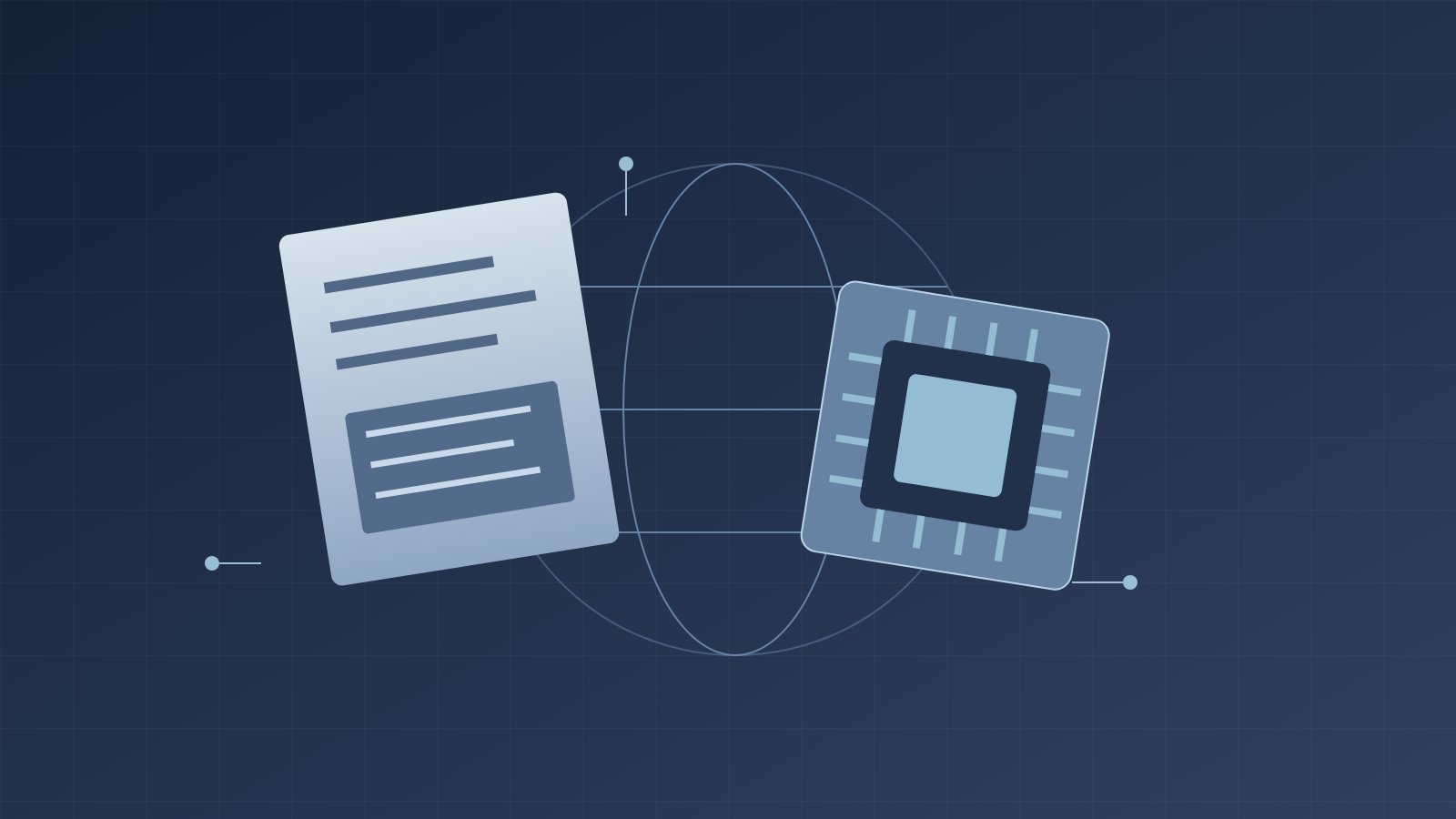 Editorial illustration
AgentFi: The Rise of the Machine Economy
AgentFi (Agentic Finance) is a new economic paradigm where autonomous AI agents act as sovereign financial entities. Unlike traditional bots that follow pre-set rules, these agents use advanced reasoning to manage assets, execute trades, and engage in commerce across blockchains without human intervention.

Understanding Liquid Restaking Tokens (LRTs) and the Yield Revolution
Liquid Restaking Tokens (LRTs) are the next generation of staking assets. They represent a user’s restaked position in protocols like EigenLayer, allowing them to earn multiple layers of rewards—Ethereum staking yield plus additional security fees—while remaining "liquid" and able to use their capital across the DeFi ecosystem.
The Future of Web3: Multi-Chain and Chain Abstraction
In early 2026, the biggest trend in blockchain is no longer "which chain is better," but how to make the entire ecosystem feel like one single, unified network.