REGULATION
Cryptocurrencies are not issued by a monetary authority, are not controlled or regulated and their price is determined by the supply and demand of their market.
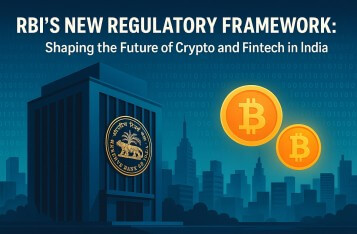
RBI's New Regulatory Framework: Shaping the Future of Crypto and Fintech in India
RBI's 2025 policy framework signals crypto regulation shift. India may embrace, restrict, or deter crypto. Global lessons show clarity drives innovation. Decisive months ahead for digital finance.

U.S. Senate Moves Forward with GENIUS Act to Regulate Stablecoins
The U.S. Senate has advanced the GENIUS Act, aiming to establish a comprehensive regulatory framework for stablecoins, enhancing consumer protection and national security.

Hong Kong Passes Stablecoins Bill to Enhance Regulatory Framework
The Hong Kong government has passed a new Stablecoins Bill, setting up a licensing regime for fiat-referenced stablecoins issuers, aiming to strengthen financial stability and foster innovation.

IOTA Advocates for Flexible AML/CTF Reforms in Australia
IOTA Foundation supports AUSTRAC's proposed AML/CTF reforms, emphasizing a flexible, risk-based compliance approach to foster innovation while maintaining financial safeguards.

U.S. Crypto Regulation: GENIUS Act Delayed, Banks Gain Clarity
The U.S. regulatory landscape for cryptocurrency sees developments in stablecoin legislation, digital asset market structure, and banking clarity, according to a16z crypto.

U.S. Senate Advances Stablecoin Regulation with GENIUS Act
The Senate's GENIUS Act aims to regulate stablecoin issuance, ensuring consumer protection and financial stability. The bill faces Democratic opposition over anti-money laundering and national security concerns.

Stablecoins in 2025: Regulatory Challenges and Emerging Opportunities
Explore the evolving landscape of stablecoins in 2025, focusing on regulatory challenges and opportunities in global finance, as discussed by experts at Chainalysis and Agora.
Navigating Airdrops: Legal Perspectives and Safe Harbor Proposals
Explore the legal framework and proposed safe harbor conditions for airdrops in the blockchain ecosystem, as outlined by a16z crypto. Understand the implications for U.S. securities laws.

CFTC's New Directive Promises Clarity for Web3 Innovators
The CFTC's new policy, ending 'regulation by prosecution,' marks a significant shift for Web3 builders, offering clearer guidelines and reducing enforcement actions.

Sei's Role in the Evolving Landscape of Blockchain and Traditional Finance
Sei's infrastructure gains prominence as regulatory clarity in the US enables traditional financial institutions to embrace blockchain, enhancing compliance and innovative financial products.
SEC's Crypto Rulemaking: A Call for Tailored Regulations
The SEC's application of traditional market rules to crypto has sparked debate. Tailored regulations are suggested to address crypto's unique features, fostering innovation while ensuring investor protection.

Bitcoin Faces Volatility Amid Economic Realities and Treasury Yield Surge
Bitcoin's value fluctuates due to rising US Treasury yields and regulatory actions, reflecting broader economic trends. Despite market pressures, BTC shows resilience with potential long-term stability.
Crypto Public Markets Set for Expansion with Regulatory Shifts
Anticipated regulatory changes in the U.S. could open public markets to more crypto companies, fostering growth in the digital assets sector, according to Galaxy.com.

Binance Halts Referral Program for Türkiye Users Amid Regulatory Compliance
Binance has announced the termination of its Retail Referral Program for users in Türkiye to comply with local regulations, ensuring no disruption to other services.
Addressing Money Laundering in Cryptocurrency: Policy Proposals and Challenges
Explore how policymakers can tackle money laundering in the crypto sector with strategic measures that enhance digital infrastructure resilience and expand regulatory powers.