What is Real World Assets (RWA)?
Terrill Dicki Jul 06, 2023 12:04
Real World Assets (RWA) refer to physical or tangible assets that have intrinsic value and exist in the real world.
Introduction
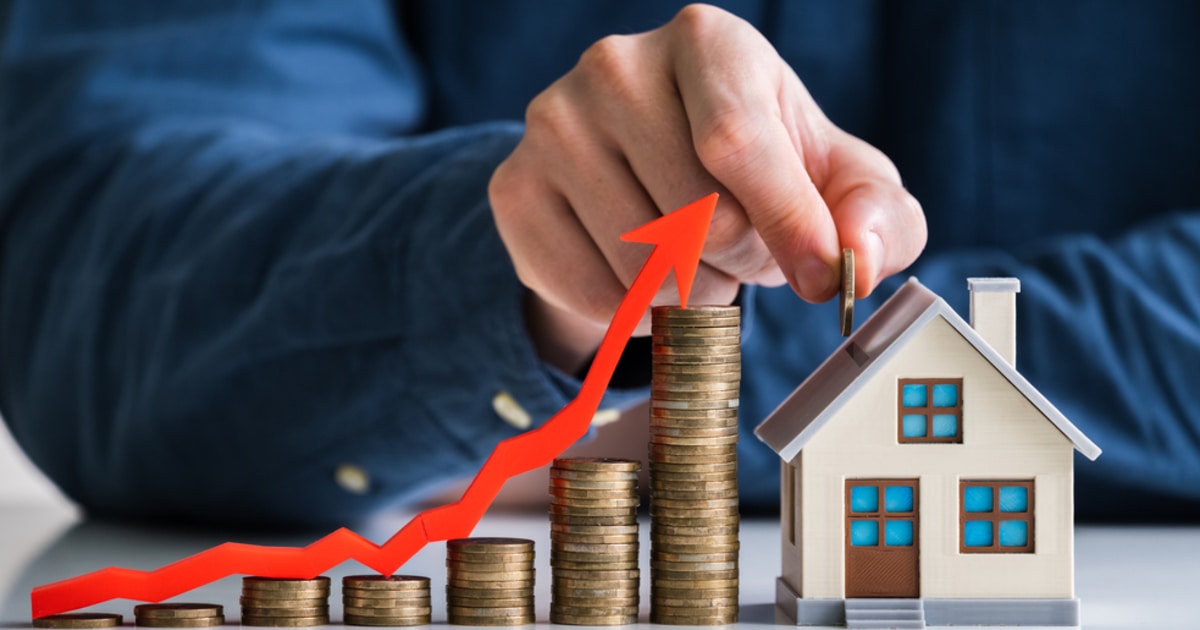
Real World Assets (RWA) refer to physical or tangible assets that have intrinsic value and exist in the real world. These include a wide range of tangible objects and contractual rights, such as real estate, machinery, commodities, wine, artwork, vehicles, and even intellectual property rights such as patents and copyrights. In financial and investment contexts, RWAs often form the backbone of portfolios, serving as collateral for loans or as direct investment opportunities for funds and individual investors.
Classification of Real World Assets
Tangible Assets
These are physical assets that have a real, intrinsic value due to their substance and properties. Examples include real estate, machinery, commodities (like gold and oil), vehicles, and physical works of art.
Intangible Assets
These are non-physical assets that have value based on contractual or legal rights. They often involve some form of intellectual property. Examples include patents, copyrights, brand names, and trademarks.
Applications of Real World Assets
Traditional Investing
RWA play an integral part in traditional investing strategies. For many investors and investment funds, RWAs such as real estate, commodities, or artwork provide a way to diversify portfolios beyond traditional stocks and bonds. For instance, real estate properties can provide steady income through rent, commodities can serve as a hedge against inflation, and artworks can appreciate in value over time.
Collateralization
In the lending industry, RWA often serve as collateral to secure loans. When a borrower secures a loan with a RWA, the lender's risk is reduced. In the event of default, the lender can seize the asset and sell it to recover the loan amount. Home mortgages, secured by the underlying property, and auto loans, secured by the vehicle, are common examples of loans where RWAs are used as collateral.
Tokenization and Decentralized Finance (DeFi)
Blockchain technology enables the tokenization of RWA, allowing these assets to be represented digitally. Tokenization permits fractional ownership, reducing the barrier to entry and providing increased liquidity. Investors can buy and sell fractions of a property or artwork, for example, instead of the entire asset. Additionally, these tokenized assets can be incorporated into decentralized finance (DeFi) platforms, creating avenues for lending, borrowing, and earning interest in a peer-to-peer manner.
Advantages of Real World Assets
Diversification
Investing in RWA can help diversify a portfolio as their value is often not directly tied to the performance of financial markets. By incorporating RWA into their portfolios, investors can potentially hedge against market volatility in stocks and bonds.
Stability
Certain types of RWA, such as real estate and commodities, often provide a measure of stability and can act as a store of value. They can provide a buffer against inflation, especially during times of economic uncertainty.
Income Potential
Several types of RWA, such as rental properties or investments in infrastructure projects, can generate a steady income stream over time, providing both capital appreciation and income.
Challenges of Real World Assets
Illiquidity
One of the primary challenges with RWA is that they can be difficult to convert into cash quickly without incurring substantial costs. This illiquidity can be a barrier for investors needing to quickly adjust their portfolios or access cash.
Maintenance Costs
Many RWA require significant maintenance and management. For example, real estate properties require upkeep, machinery may need regular servicing, and even intellectual property rights need to be defended legally, all of which can add to the cost of owning these assets.
Regulatory Challenges
The regulatory landscape forthe tokenization of RWA and their integration into DeFi platforms can be complex. As tokenization often falls into a grey area in many jurisdictions, it may be subject to evolving regulatory frameworks and legal considerations.
Evolution of Real World Assets: Blockchain and DeFi
The advent of blockchain technology and Decentralized Finance (DeFi) has begun to revolutionize the way we interact with RWA. With tokenization, physical assets can be divided into multiple tokens, which can be bought and sold independently. This development allows for fractional ownership, increasing liquidity, and enabling a broader set of investors to participate in asset ownership.
Tokenization
Tokenization is the process of converting the rights to a RWA into a digital token on a blockchain. For instance, a real estate property can be tokenized into multiple units, and these digital tokens can be bought or sold, representing fractional ownership in the property.
DeFi and RWA
Tokenized RWA can also be integrated into DeFi platforms. This application provides new avenues for lending, borrowing, and earning interest in a peer-to-peer manner. For example, a token representing ownership in a property can be used as collateral for a loan on a DeFi platform. Similarly, owners of tokenized assets can earn yield by participating in DeFi protocols.
Conclusion
Real World Assets play a vital role in the global economy, both as investment vehicles and as collateral for lending. With the advent of blockchain technology, the landscape of how we interact with these assets is rapidly changing. Tokenization holds the potential to democratize access to these assets and redefine the financial landscape, offering new possibilities for investment and wealth creation.